Durango to Telluride
A Mesmerizing Early-Spring Journey from Durango to Telluride
At the end of March 2026, Liz and I spent several memorable days exploring southwestern Colorado, traveling from Durango through the San Juan Mountains and continuing toward Telluride. Along the way, we passed through historic mining towns, followed winding mountain highways, stood above deep canyons, and watched powerful streams of water rush through the rugged landscape.
We had expected to see more snow. Photographs and stories from other travelers had created images in our minds of mountains, forests, and towns buried beneath a deep blanket of white. Although it was disappointing not to experience that side of Colorado, the lighter snowfall revealed a different kind of beauty. The exposed cliffs, flowing rivers, evergreen forests, and weathered communities were clearly visible beneath the brilliant blue sky.
The landscape was caught between seasons. Winter still clung to the highest peaks and shadowed slopes, while the valleys showed the earliest signs of spring. It was quiet, rugged, and absolutely mesmerizing.
Beginning in Durango
Our journey began in Durango, a town where Colorado’s Old West history remains woven into everyday life. Historic buildings, traditional storefronts, and the town’s connection to the railroad and mining era gave us a sense of the history that shaped this region.
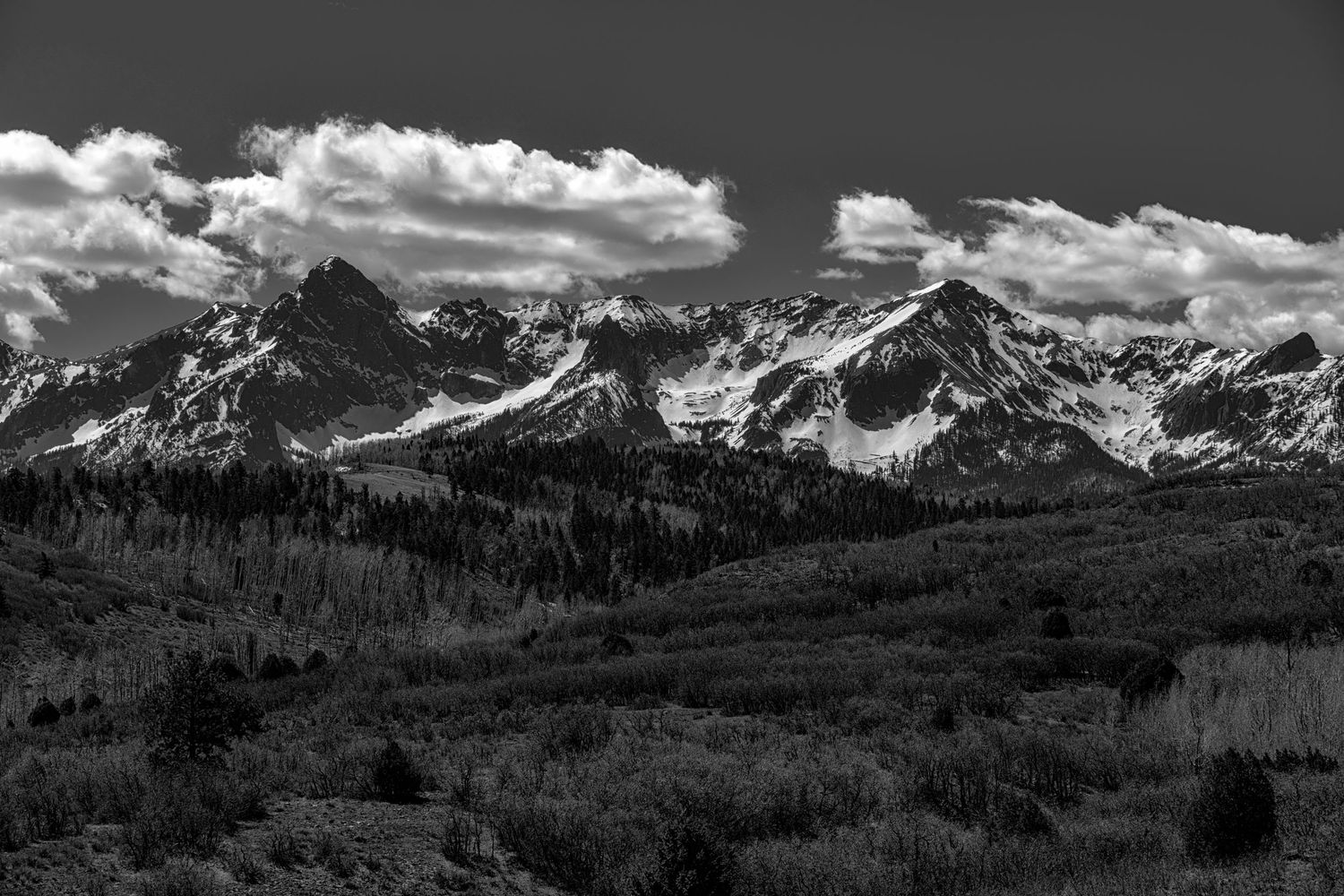
As we left Durango and traveled north, the landscape became increasingly dramatic. The wider valleys slowly narrowed, the forests grew thicker, and the San Juan Mountains began rising around us. Evergreen trees covered the slopes in deep shades of green, while bare aspens stood like pale lines against the darker forest.
The end of March brought clear signs that winter was retreating. Meadows remained brown and dormant, but patches of green were beginning to emerge. Small amounts of snow lingered on the higher ridges, forming bright ribbons across the dark mountain rock.
We spread the trip over several days, allowing ourselves the freedom to stop whenever the scenery caught our attention—which happened often. This was not simply a drive from one destination to another. The road itself became an essential part of the experience.
Silverton: A Town Surrounded by Mountains
Silverton was one of the most memorable places along our route. The historic mining town rests in a broad valley surrounded by steep mountains, creating the feeling that it has been carefully tucked away from the rest of the world.
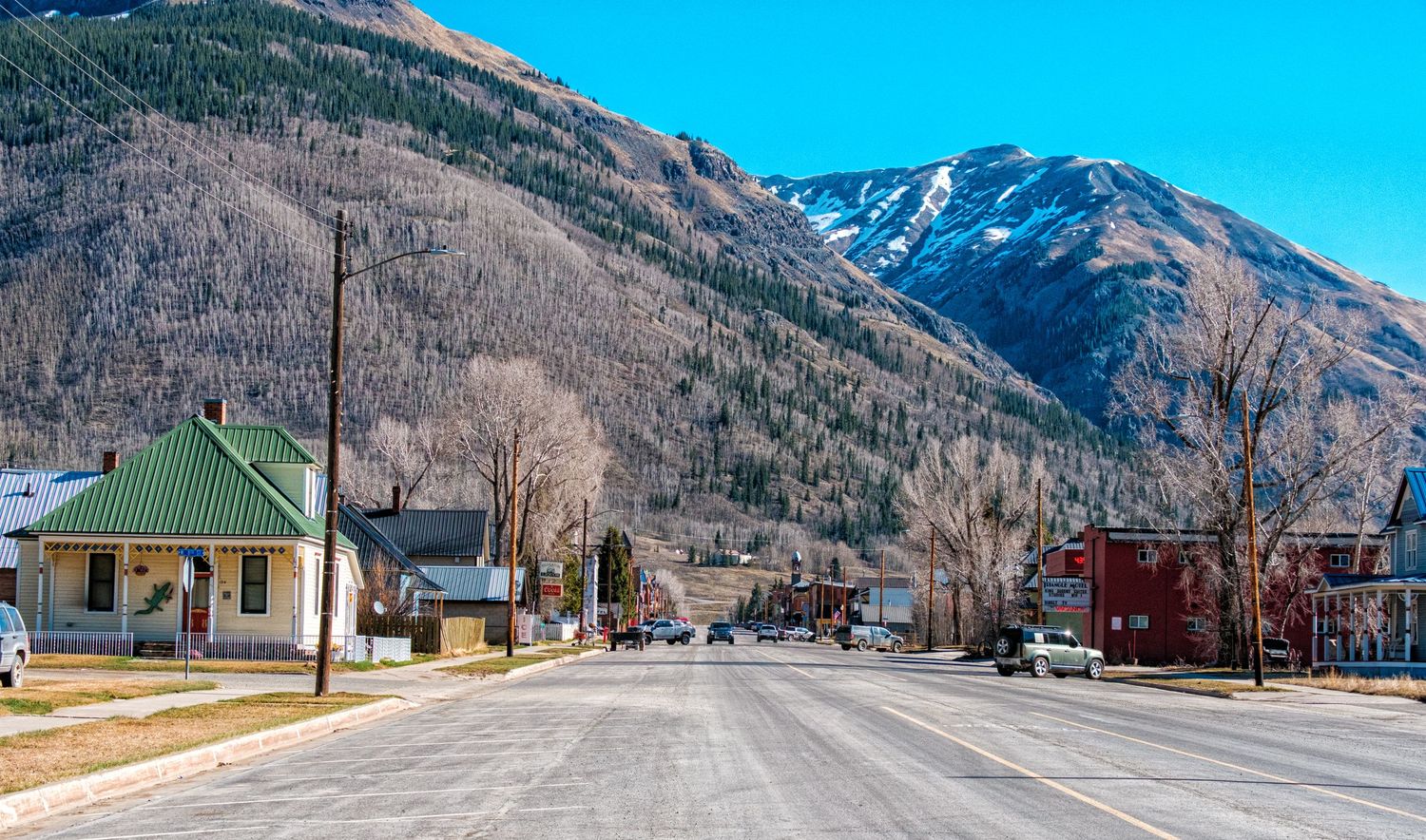
The town was quiet during our late-March visit. Wide streets stretched between colorful homes, historic storefronts, and older buildings with metal roofs. High above them, the surrounding slopes still held scattered patches of snow.
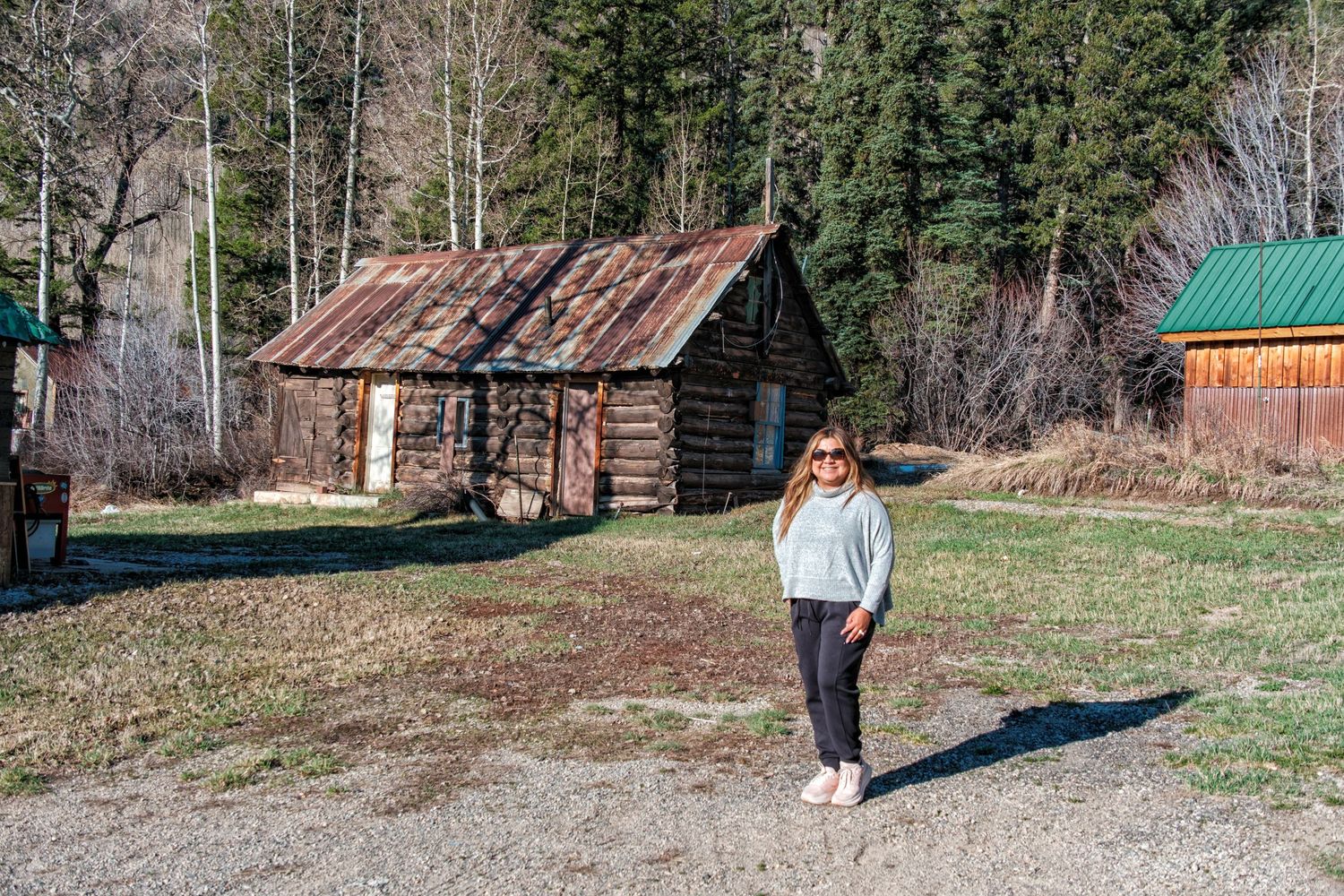
We stopped near an old log cabin whose dark timbers and rusted roof reflected the rugged history of the area. With Liz standing in front of it, the scene seemed to connect the present with the generations of miners, settlers, and families who once lived and worked in this demanding environment.
Silverton’s beauty was not polished or carefully arranged. It was weathered, authentic, and deeply connected to the mountains. The town appeared to carry its history openly—in its buildings, streets, and quiet surroundings.
The Million Dollar Highway
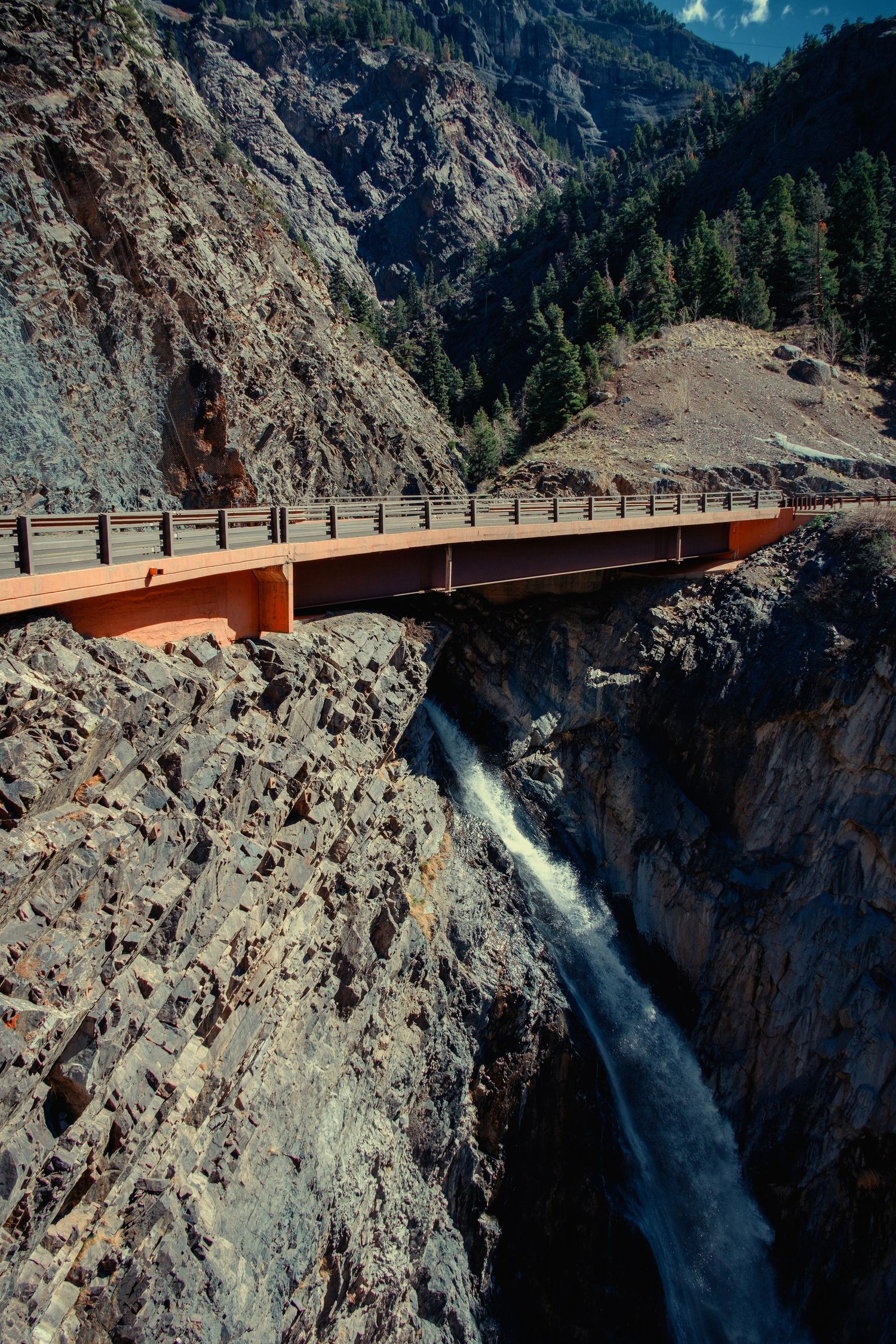
From Silverton, we traveled toward Ouray along the Million Dollar Highway, one of the most dramatic roads we have ever experienced. The highway winds through high mountain passes and traces the edges of deep canyons, sometimes appearing to cling to the side of the rock.
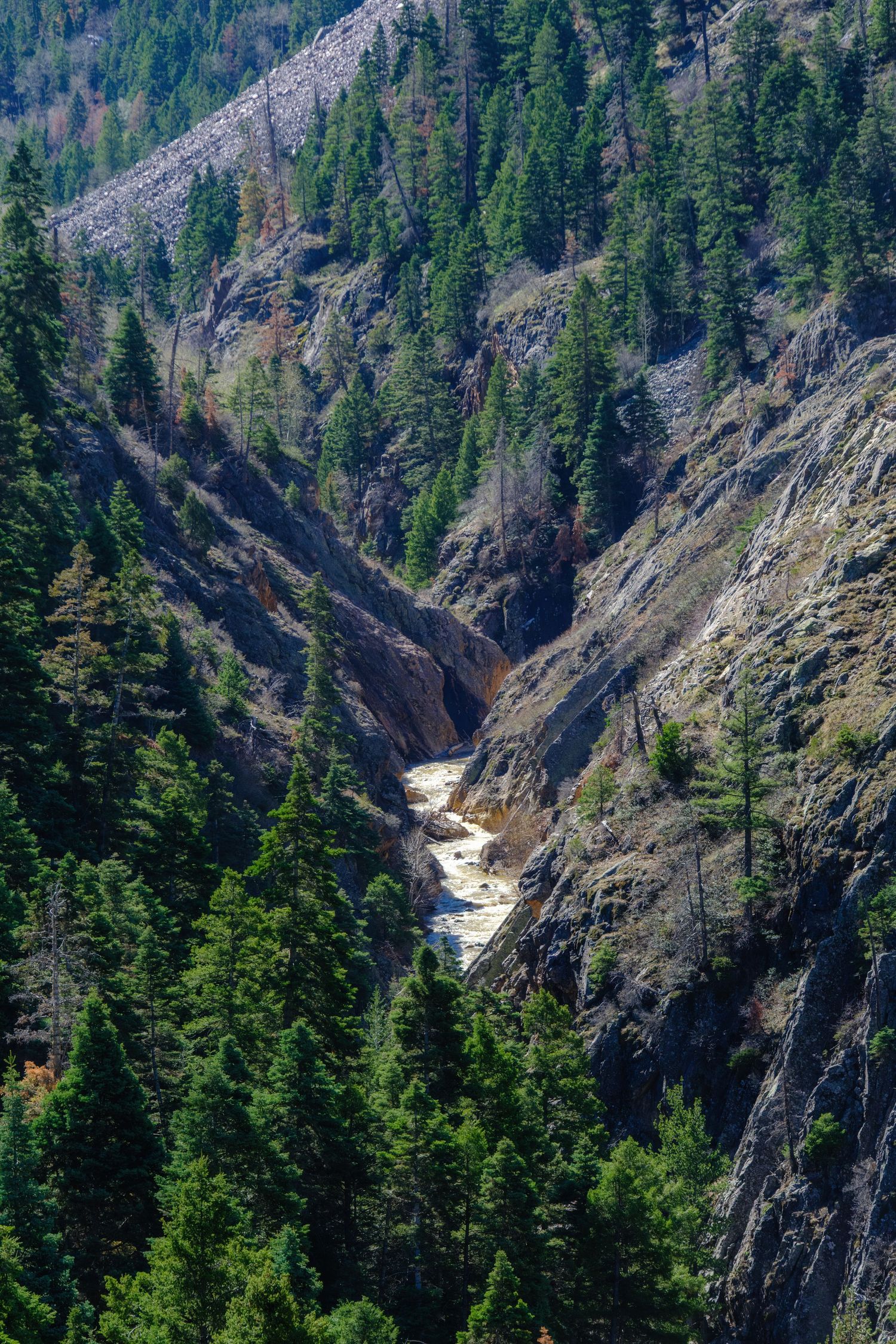
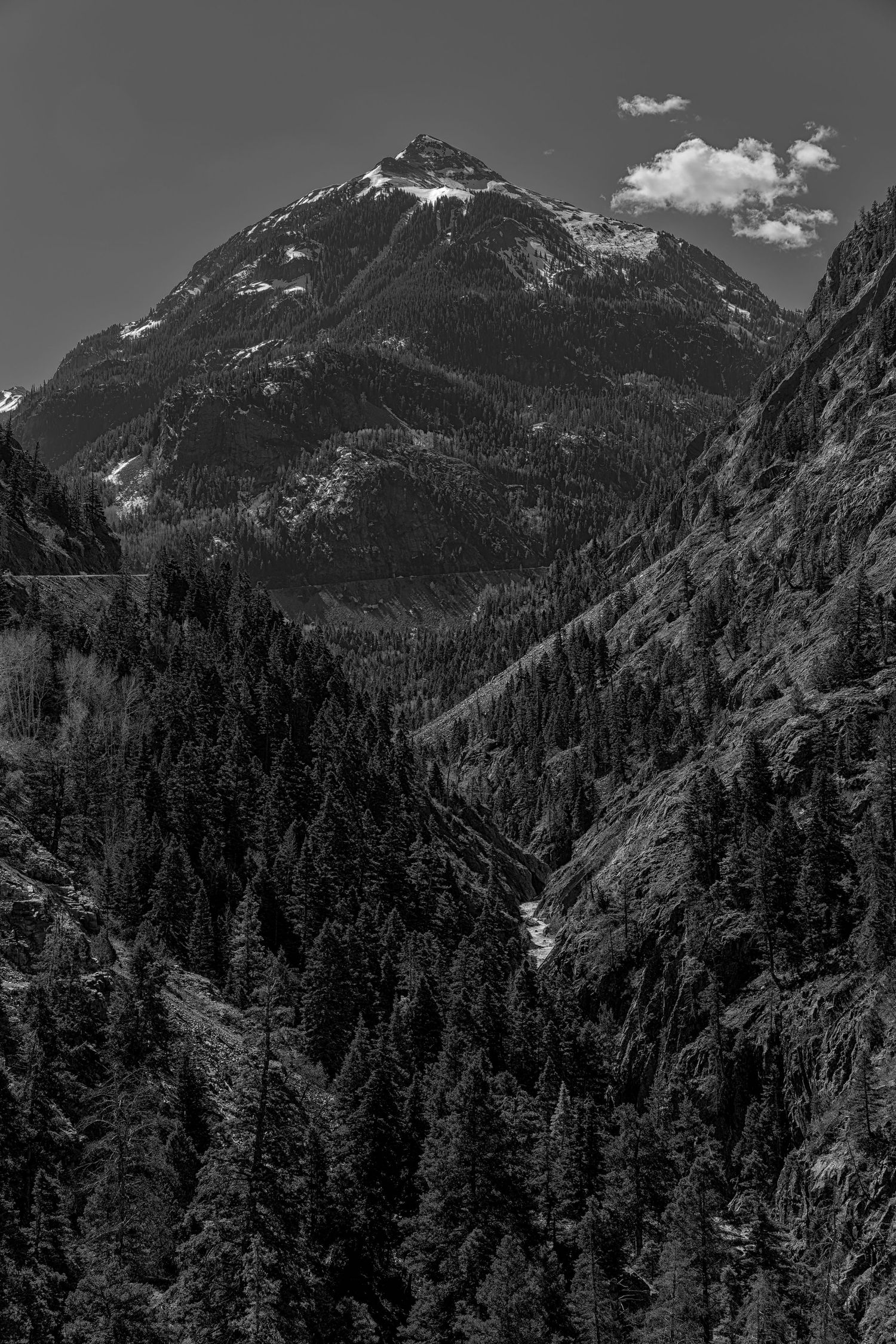
With relatively little snow on the lower slopes, we could see the full texture of the landscape. Jagged rock formations rose beside the highway, while dense forests descended into the valleys below. Waterfalls spilled down steep cliffs, and streams carrying early snowmelt rushed through narrow channels. At several points, we stopped to take in the view. Far below us, rivers moved through deep gorges lined with evergreen trees. Bridges stretched across rocky openings, appearing small and fragile against the immense mountains.
The journey was exhilarating, but it was also humbling. The highway represents an impressive human achievement, yet everything about the surrounding landscape reminded us that nature remains far greater than anything we can build.
Ouray and the Thunder of Box Canyon
Ouray sits within a narrow valley surrounded by towering mountains. Historic homes and buildings line its quiet streets, while steep slopes rise almost immediately behind the town. The setting is so dramatic that Ouray seems to rest at the bottom of a natural amphitheater.
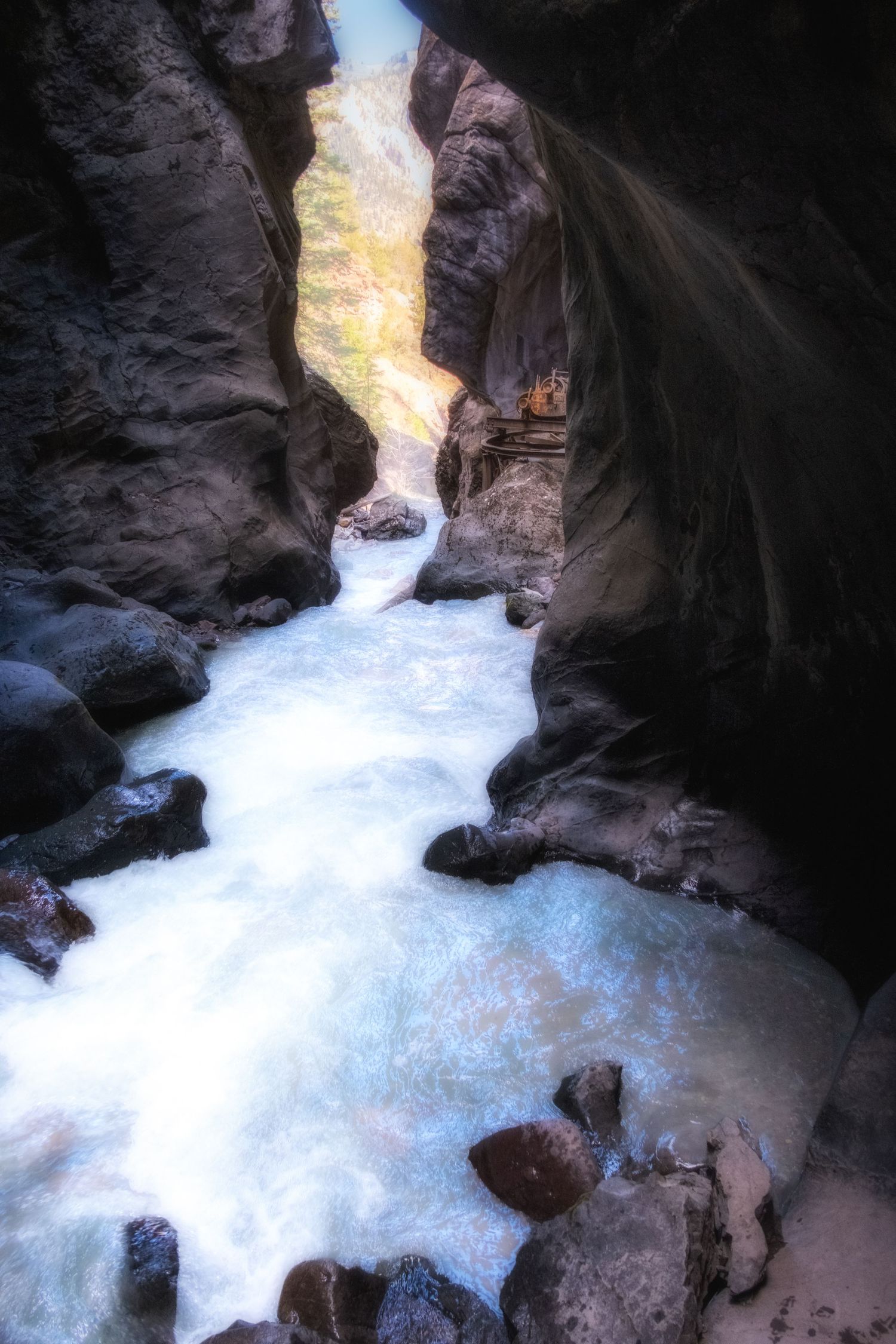
One of the most powerful experiences of our journey came when we stopped at Box Canyon. Although the attraction was officially closed for the season, we were still able to gain access to part of the canyon. As we entered the narrow passage, the sound of rushing water became steadily louder. The deeper we went, the more the roar echoed between the rock walls. Soon, the water was not merely something we could hear—it was something we could physically feel.
A massive surge of water rushed through the narrow canyon, crashing against boulders and squeezing between the towering stone walls. The sound echoed throughout the passage, resonating in the air and vibrating the ground beneath us. Standing there was thrilling. The immense power of the water made us feel tiny yet fully alive, showcasing a striking mix of beauty and intimidation. It vividly demonstrated the force that gradually carved and shaped the canyon over centuries.
The photographs captured the dark walls, narrow opening, and turbulent water, but no picture could reproduce the thunderous sound or the sensation of standing so close to that force. It became one of the defining moments of our entire Colorado journey.
Rivers, Forests, and Open Valleys
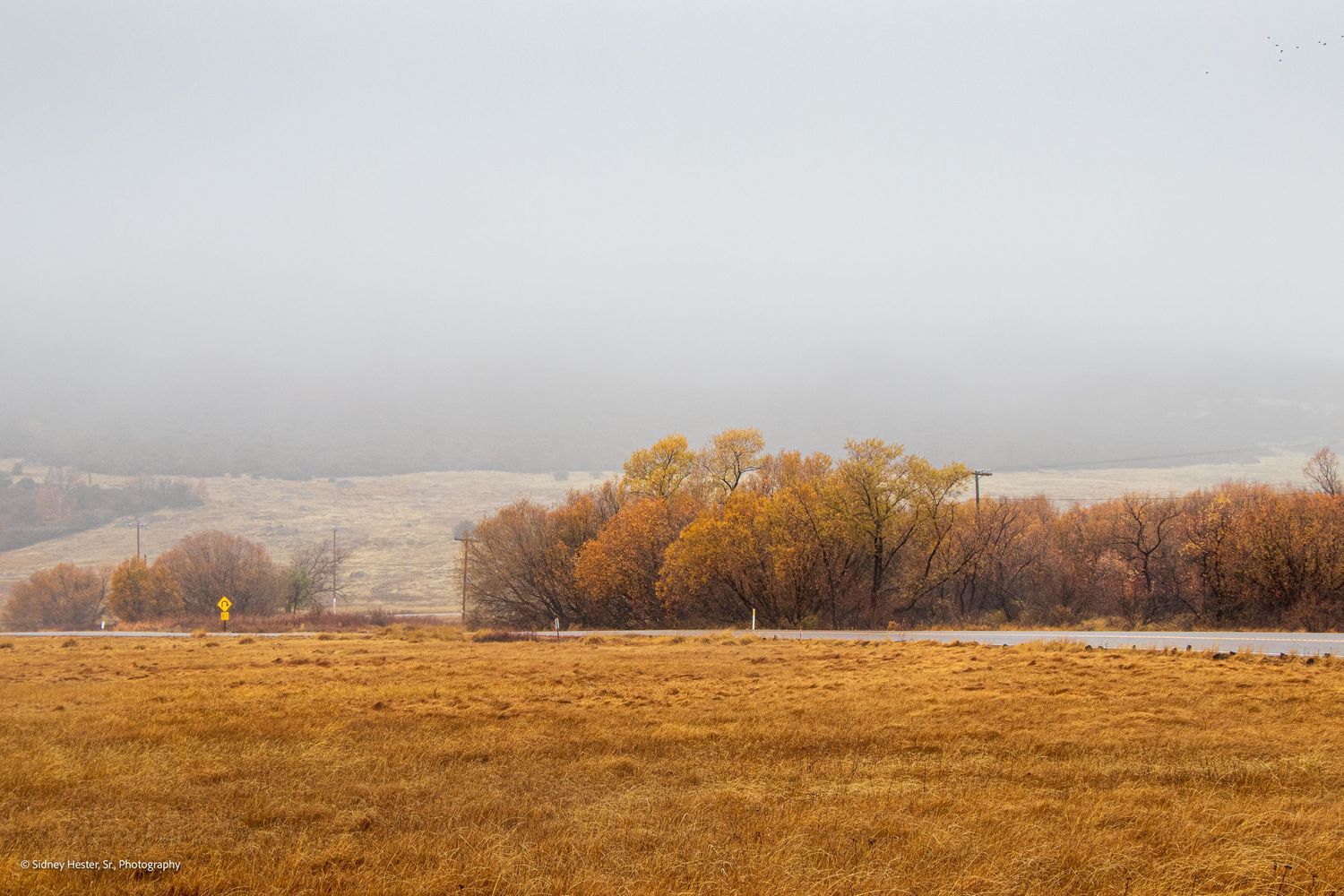
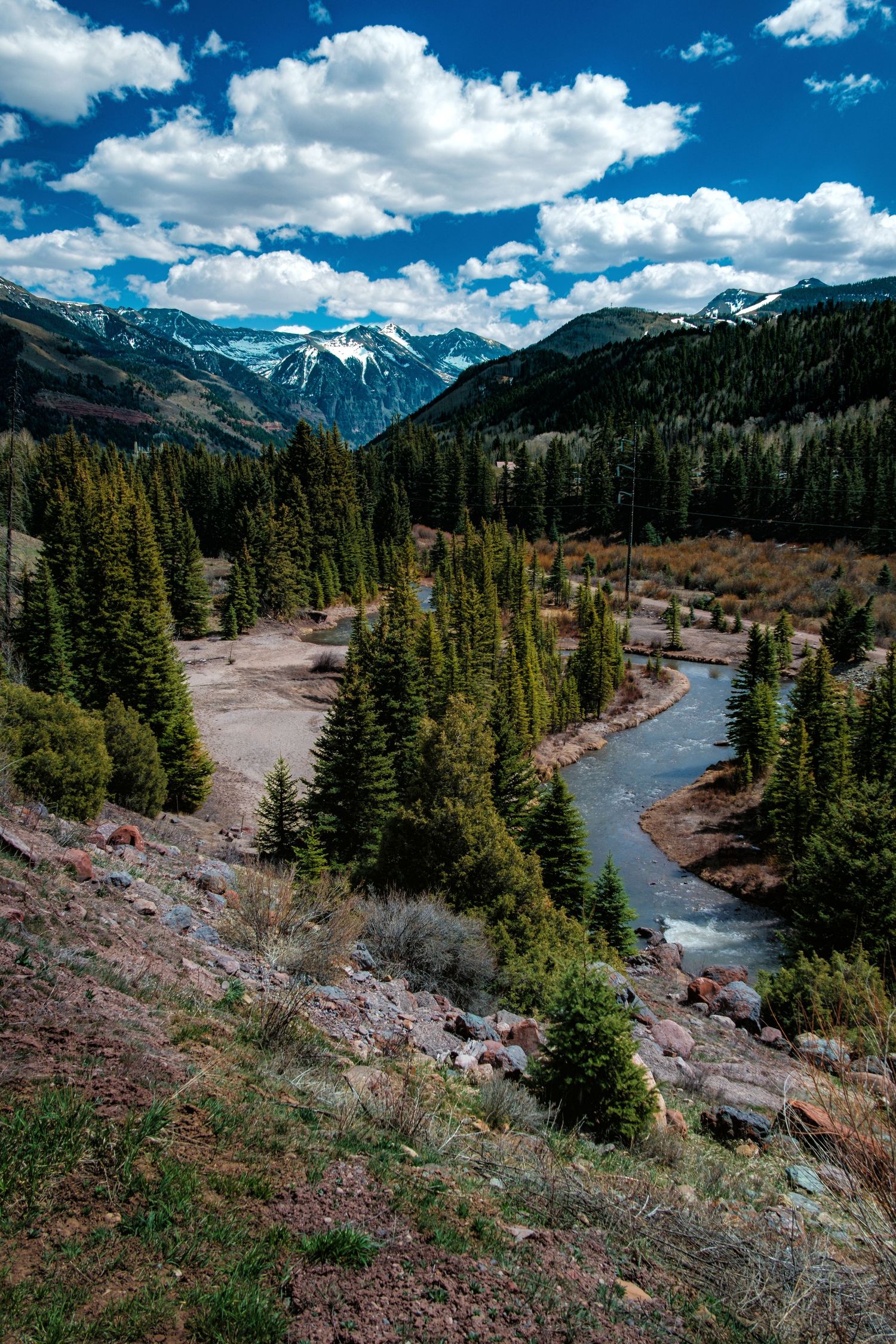
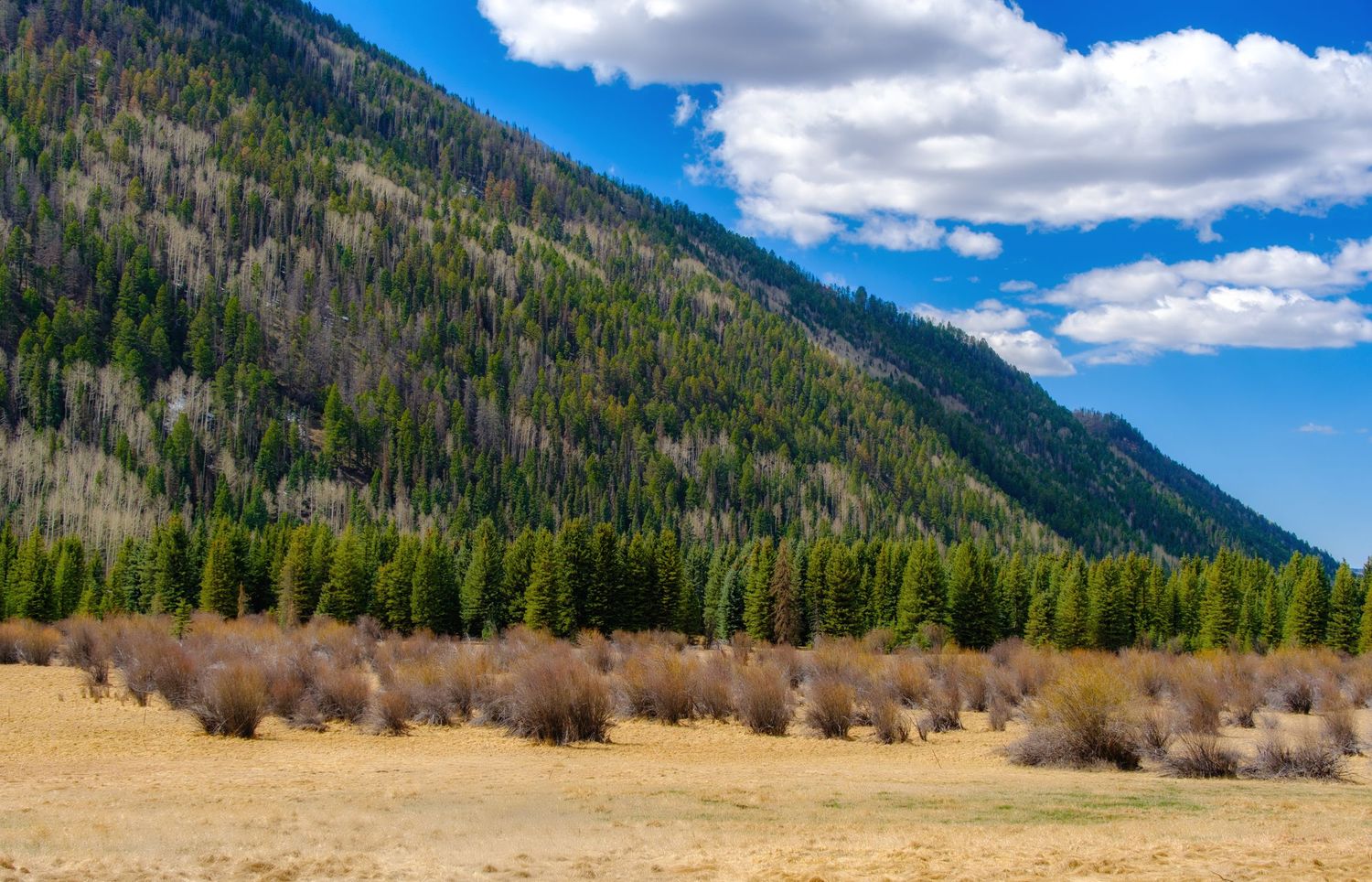
As we continued through the mountains, the landscape repeatedly changed. Narrow canyons opened into peaceful valleys where rivers curved through stands of evergreens. Dormant grasses covered the meadows in shades of gold and brown, while willow branches added touches of rust and amber along the water.
Above the valleys, the mountains displayed layers of dark forest, exposed gray rock, and scattered patches of snow. Large white clouds drifted through the deep blue sky, casting moving shadows across the slopes.
The absence of heavy snow allowed us to see the land's structure more clearly. Rocky cliffs, river channels, forested ridges, and open meadows formed a landscape that felt raw and exposed. It was not the winter scene we had expected, but it was beautiful in a way we had not anticipated. There were moments when the surroundings became so quiet that it felt as though we had the mountains entirely to ourselves. The only sounds were the wind passing through the trees and the water moving through the valleys below.
Arriving in Telluride
Our journey eventually brought us to Telluride, one of Colorado’s most beautifully situated mountain communities. The town lies within a dramatic box canyon, surrounded by steep peaks and rugged mountain walls.
Telluride felt like a fitting conclusion to everything we had experienced along the way. Its historic character echoed what we had seen in Durango and Silverton, while its mountain setting reflected the wild beauty of the Million Dollar Highway and Ouray. By the time we arrived, we had traveled through historic communities, crossed high mountain country, stood beside waterfalls, looked into deep canyons, and followed rivers through quiet forests. Telluride was our destination, but reaching it was only one part of the experience.
Finding Beauty in the Unexpected
Our late-March journey from Durango to Telluride did not look exactly as we had imagined. We had hoped to see more snow and experience the heavily covered mountains that others had described. At first, the lack of snow was disappointing.
Yet the trip taught us that a place does not need to match our expectations to leave a lasting impression.
Without deep snow covering the ground, we could see the rugged character of the San Juan Mountains more clearly. We noticed the layers of rock, the shapes of the canyons, the weathered cabins, the changing forests, and the rivers gathering strength as the season shifted toward spring. What we had first interpreted as absence began to feel like revelation. The landscape was not withholding its beauty; it was offering a different kind of beauty, one that was easier to miss when we were busy hoping for something else.
The trip became a reminder that travel is often most meaningful when we allow the journey to reveal itself on its own terms. Colorado did not give us the winter landscape we expected. Instead, it gave us rushing water, exposed mountains, quiet towns, open roads, and an unforgettable encounter with the thundering power of Box Canyon. It gave us the space to notice small details: the way sunlight touched the stone, the sound of the wind moving through the valleys, and the sense of scale that only mountains can create.
From Durango through Silverton and Ouray and onward to Telluride, every mile offered something new to discover. It was rugged, peaceful, exhilarating, and mesmerizing—a journey that allowed Liz and me to slow down, experience the wonder of the mountains, and thank God for the extraordinary beauty of His creation. In the end, the trip left us with something better than the snowy postcard we had imagined. It left us with gratitude, perspective, and a deeper appreciation for the surprise of a landscape that met us exactly where it was.
PHOTOGRAPHY BY SIDNEY HESTER, SR.