choes Across San Diego Bay: Our Day at Cabrillo
A December Journey Through Cabrillo National Monument
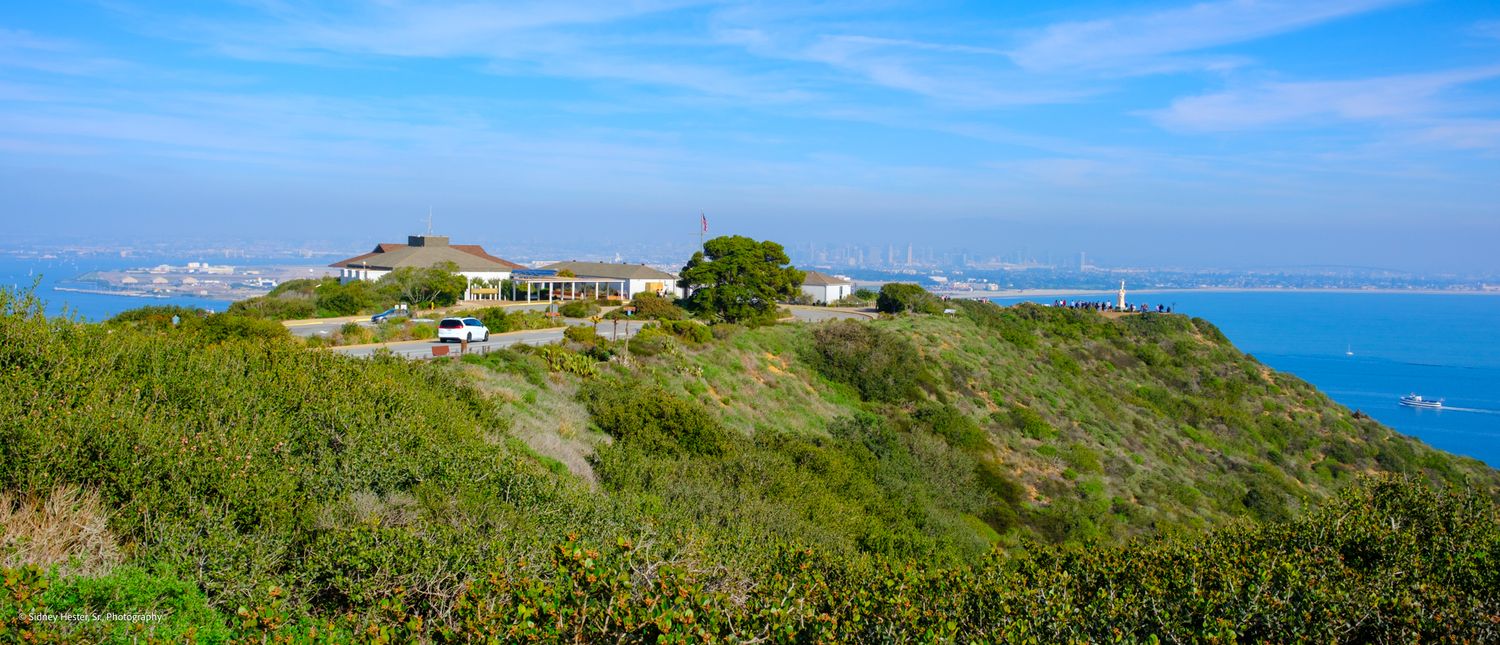
December light has a gentleness all its own, and on the morning of our 2025 visit to Cabrillo National Monument, it seemed to settle over Point Loma like a blessing. The sky was pale, the bay shimmered below, and San Diego appeared in the distance through a soft veil of coastal haze.
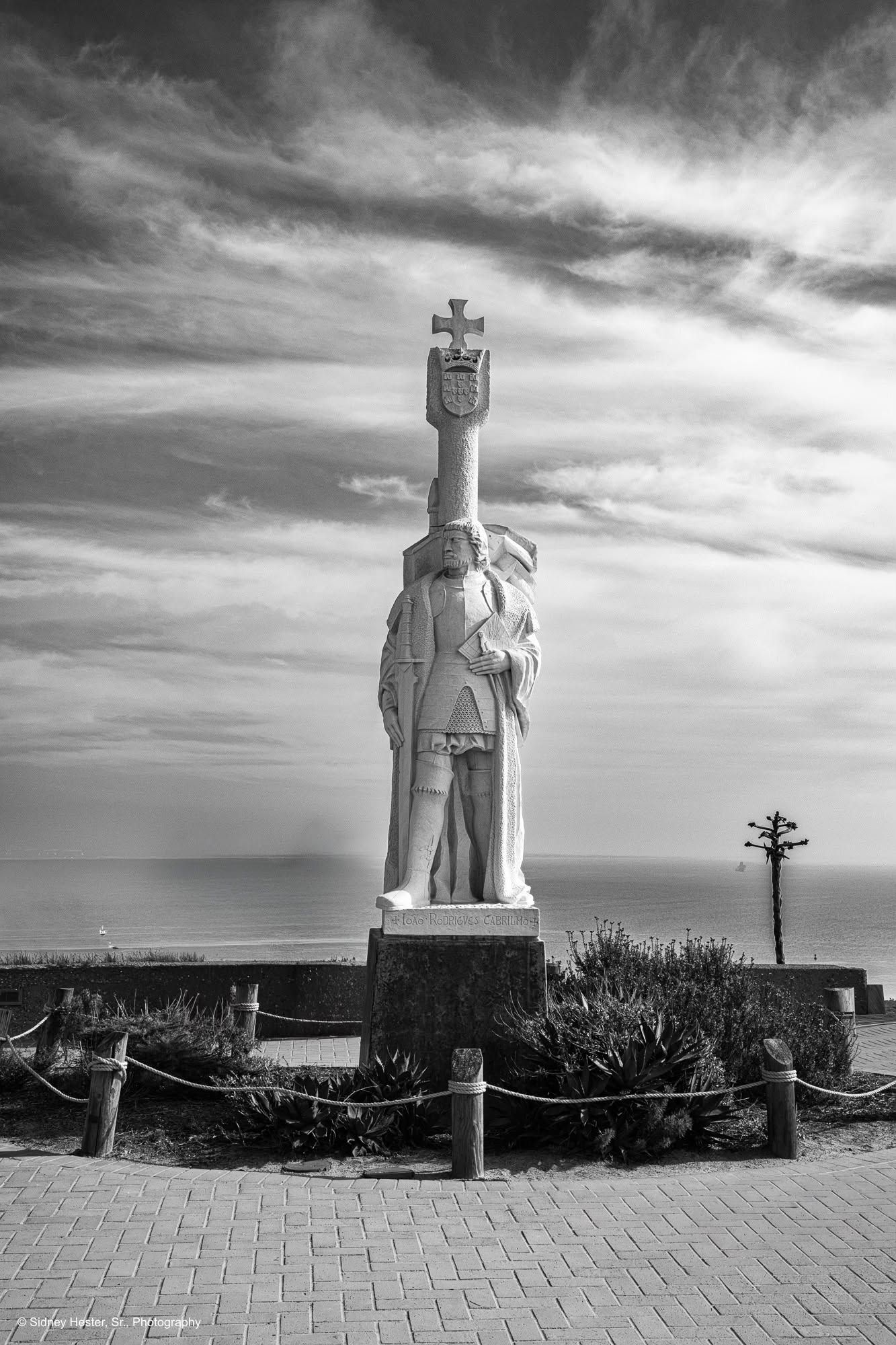
At the monument, we stood near the statue of Juan Rodríguez Cabrillo and looked across the water he entered in 1542. The site commemorates his expedition, the first recorded European voyage to reach what is now the West Coast of the United States. Yet the view encouraged more than a glance backward. It held layers of exploration, encounter, change, and memory, all gathered on one windswept peninsula.
Long before Cabrillo arrived, Kumeyaay people had lived in this region. Remembering their presence gave the story of exploration greater depth and reminded us that every celebrated arrival is part of another people’s homeland.
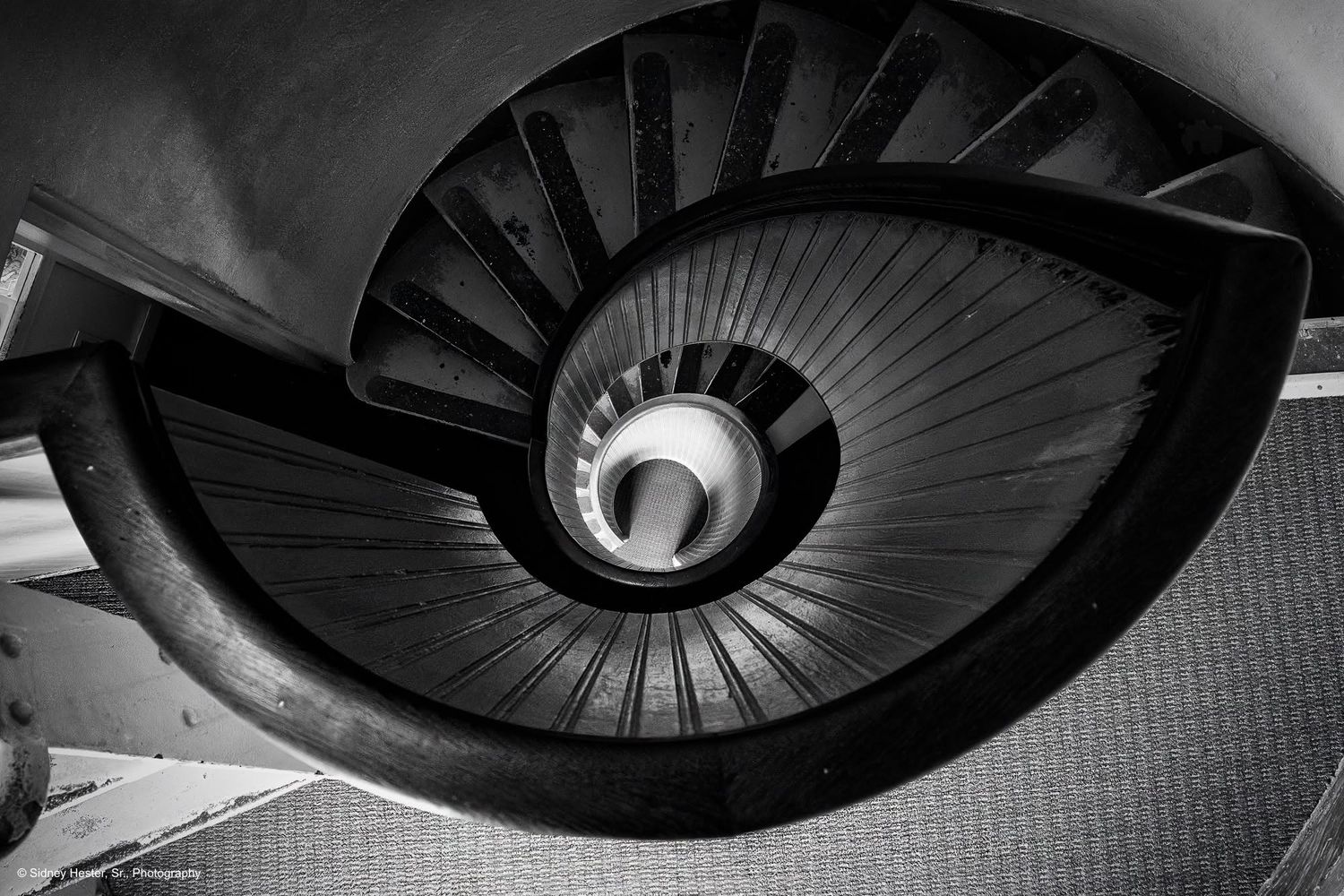
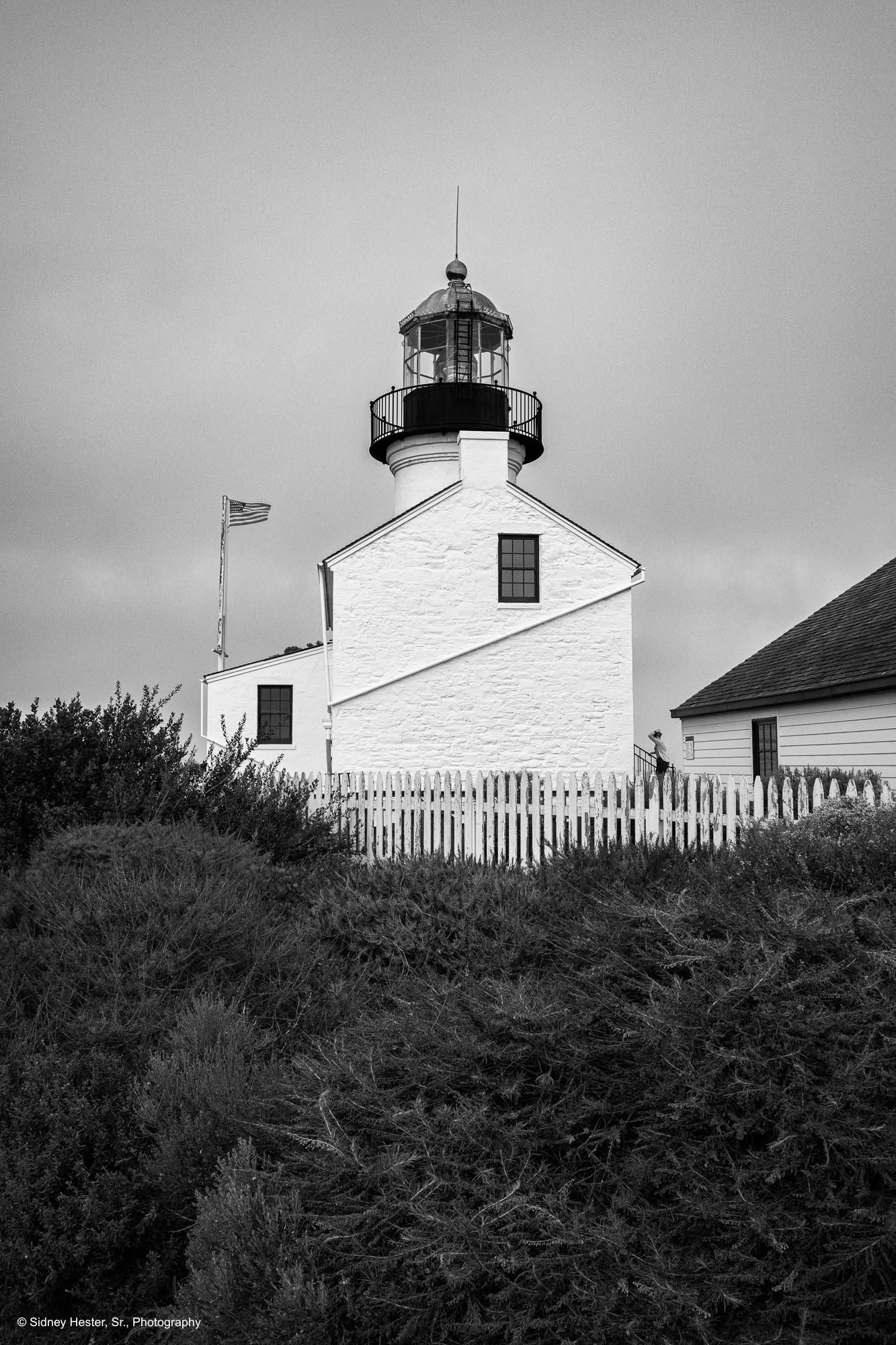
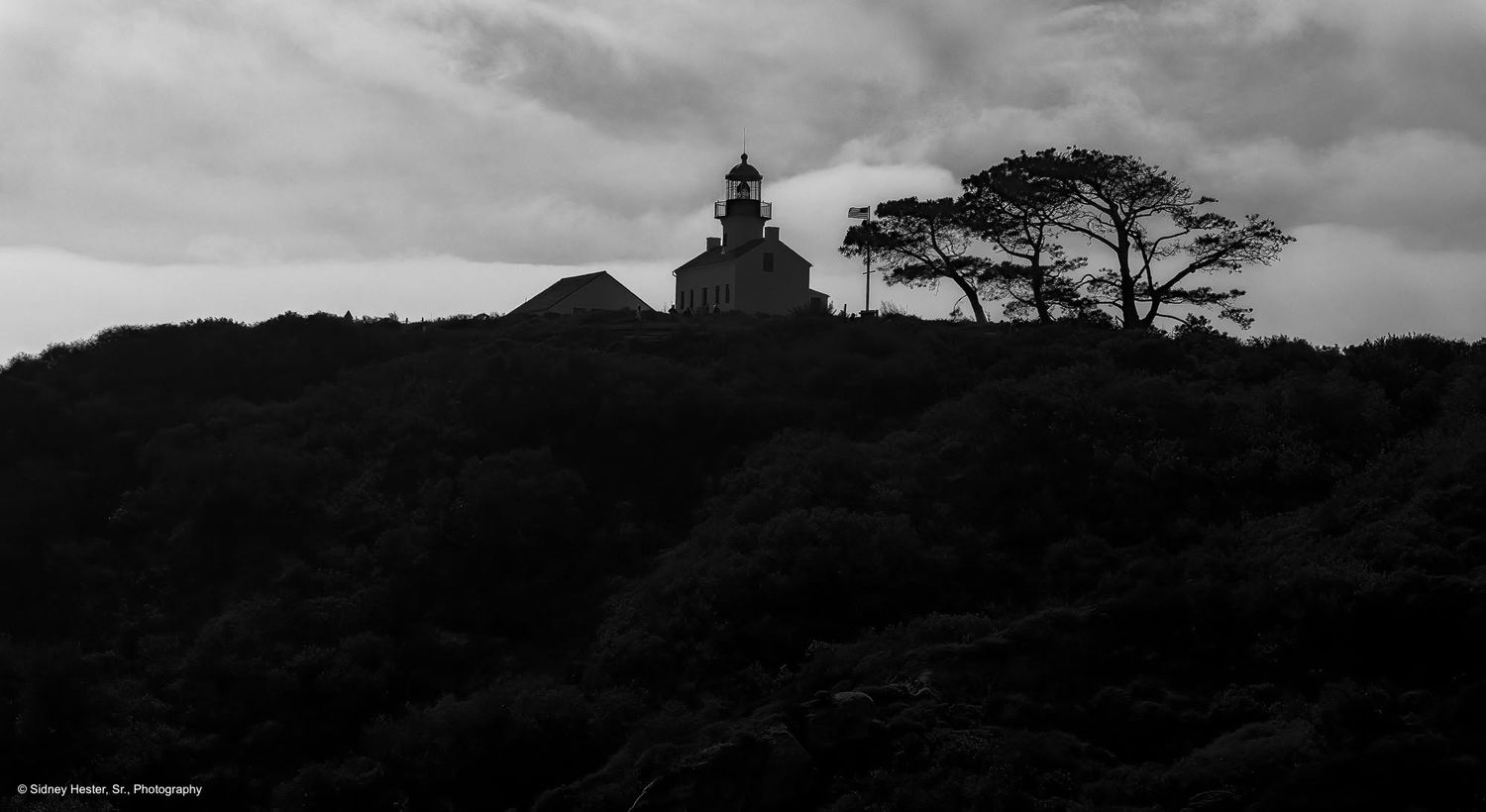
From there, we walked toward the Old Point Loma Lighthouse. Its white walls and red roof rose simply against the blue sky, carrying the quiet dignity of a place that once watched over countless sailors. First lighted in 1855, it stood 422 feet above the sea. The elevation offered magnificent views, but fog often concealed its beam, and the lighthouse was retired in 1891. Inside, the restored rooms suggested the disciplined life of the keepers and families who made this isolated place their home.
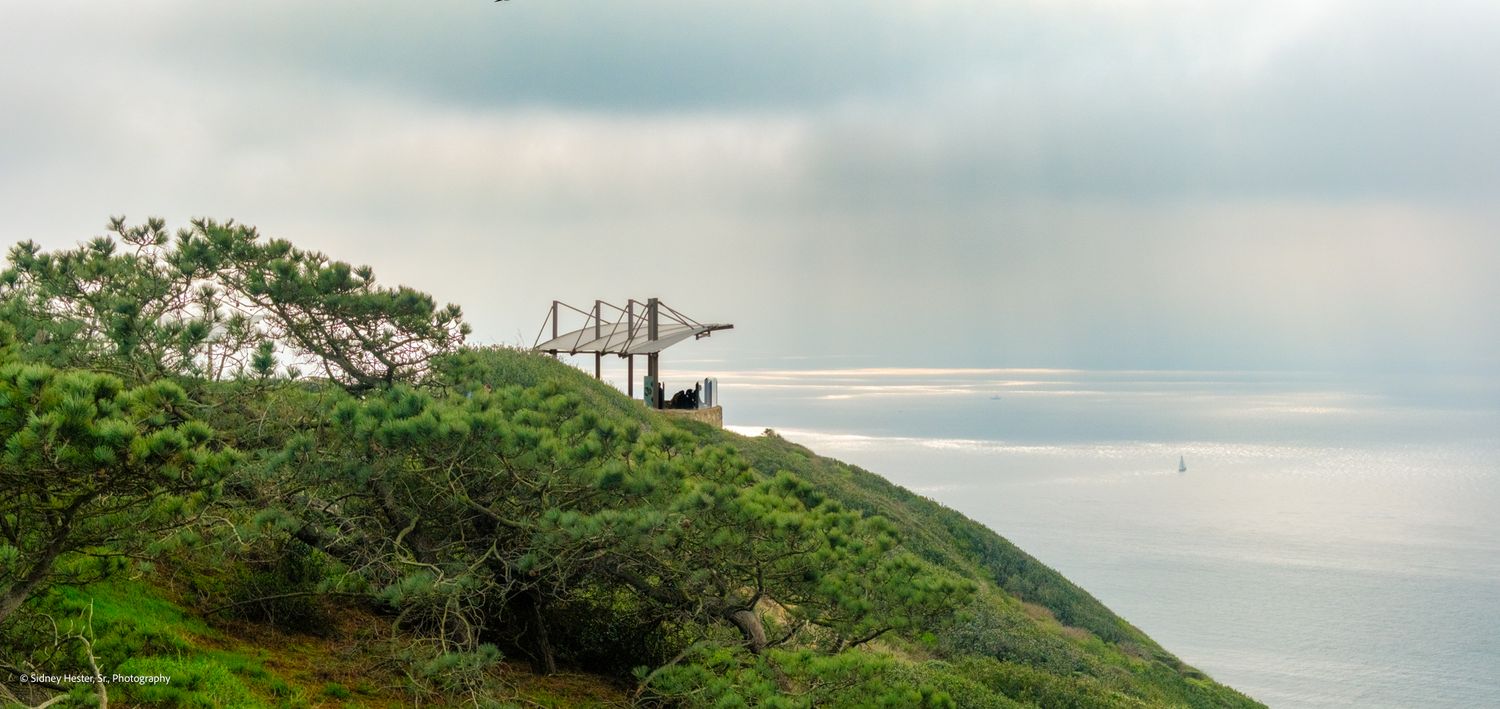
Later, we descended toward the tidepools on the Pacific side. The landscape changed as the broad bay gave way to weathered cliffs, sandstone shelves, and waves curling into the rocks. When the tide withdrew, it left small windows of water behind. Anemones waited beneath the surface; crabs slipped into crevices; barnacles, limpets, and mussels clung to stone. Each pool seemed like a tiny universe, delicate and complete, revealed only until the ocean returned.
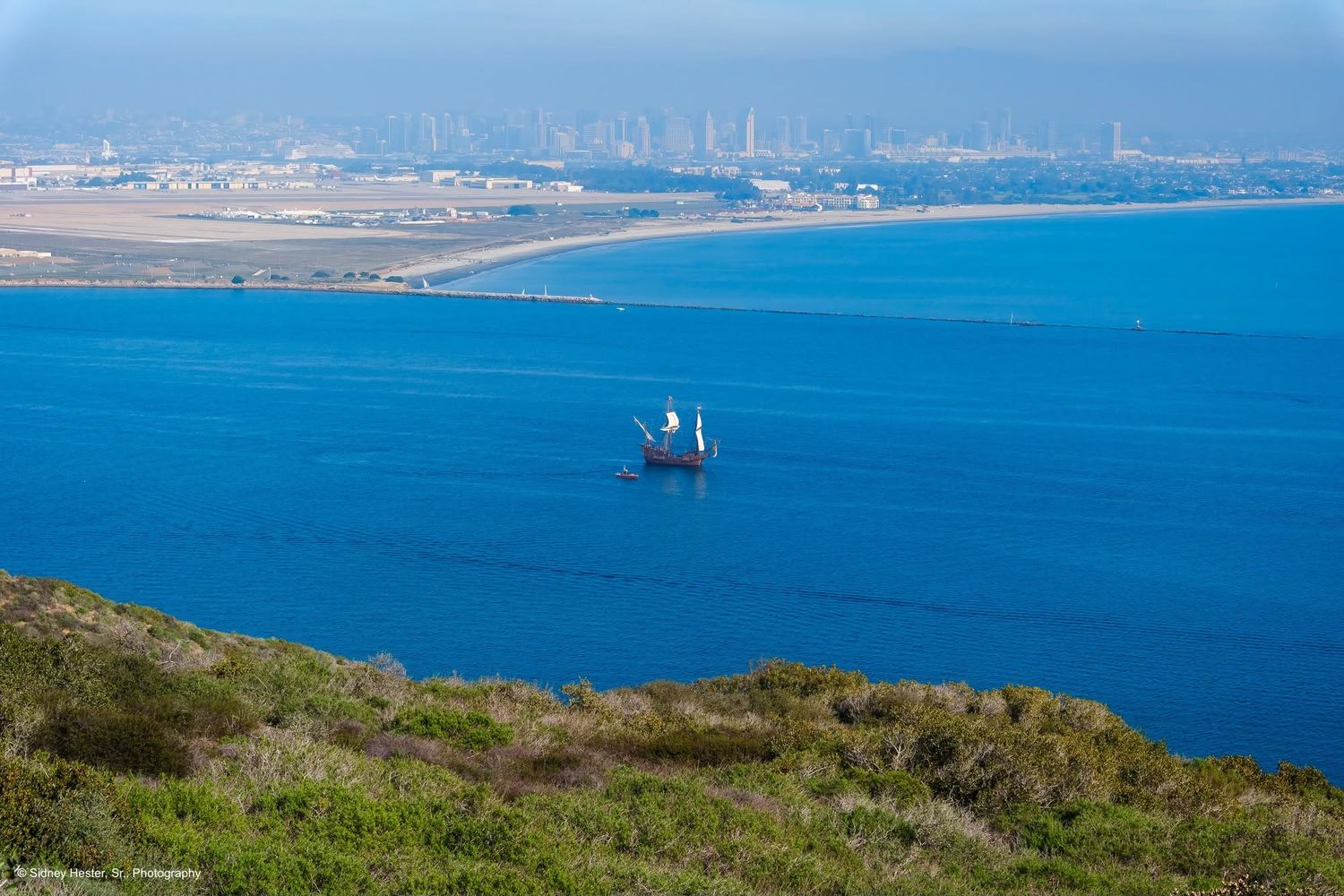
Then came the moment that tied the entire day together. Out on San Diego Bay, we spotted the San Salvador, a full-scale, seaworthy replica of Cabrillo’s sixteenth-century Spanish galleon. Its tall masts and dark hull looked almost dreamlike against the modern city. For an instant, the centuries appeared to fold together. We were standing at the monument honoring Cabrillo while the likeness of his flagship moved across the same harbor his expedition entered nearly five hundred years ago.
We watched until the ship traveled farther into the bay. Around us, the present continued: cars followed the road, visitors gathered at the overlooks, and boats traced white lines across the water. Still, the galleon held our attention. It transformed history from something written on a plaque into something moving, breathing, and alive.
Our December visit became more than a day of beautiful scenery. The monument, lighthouse, tidepools, and passing ship formed a single story about journeys and the marks they leave behind. At Cabrillo, history does not remain indoors. It stands above the harbor, shines from an old tower, gathers in pools between the rocks, and sometimes sails unexpectedly into view.